In recent years, Computer Numerical Control (CNC) machining has revolutionized the field of manufacturing and engineering. CNC machining is a method that uses digital technology in conjunction with traditional machining to make high-precision components for a range of industries. This article examines the mechanics, advantages, and diverse applications of CNC machining to highlight its transformative impact on engineering technology of the present.
The Mechanics of CNC Machining
CNC machining is a subtractive manufacturing method that removes material from a block of solid material, or workpiece to give it the shape you want. The software that computers use to control machine movement is pre-programmed. The code generated for CNC machines is different based on the particular type of machine and the complexity of the component being manufactured. The principle behind it is the same. A high-speed cutter accurately sculpts material in order to create the final product.
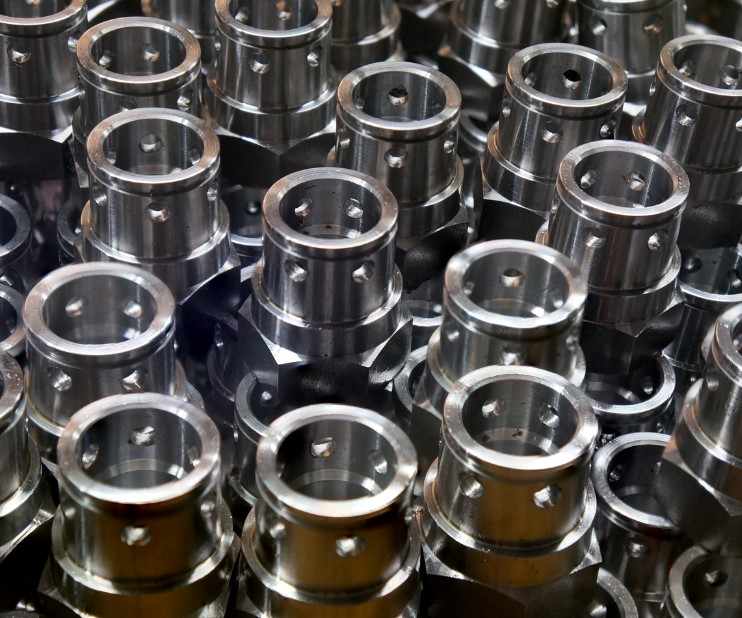
The accuracy of CNC machined parts is among its most significant benefits. Its digital nature permits precise and reliable production. This reduces the chance of human error while maintaining consistency across batches. This level of precision is essential in areas like aerospace and medical devices.
The role of digitalised computers in CNC Machine Operations
Digital technology lies at the foundation of CNC machine’s effectiveness and precision. A special software is used to automate all manufacturing processes. This software converts computer-aided design (CAD) models into a series of precise instructions, which the CNC machine then follows to create the part. These instructions control everything from speed and direction to depth and angle for each cut.
In industrial facilities with larger scales computers are often integrated directly into the CNC machines, allowing for seamless control and communication. This integration allows real-time monitoring and adjustments, which ensures maximum performance while reducing downtime. CNC machine machining can be automated in order to enable continuous operations, which increases productivity and reducing lead times.
The Advantages of CNC Machining
CNC machining provides numerous advantages over traditional manufacturing methods. One of the main advantages is its capability to create intricate and complex parts with high-precision. CNC machine’s precision can eliminate the need for manual adjustments or do rework. This reduces waste and enhances efficiency. In addition, CNC machines can operate continuously, making them ideal for large-scale production runs.
CNC machining has another advantage it’s flexibility. One machine can make different kinds of parts just by changing the program. CNC machine is able to be modified which makes it appropriate for prototyping as much being a mass production. This allows manufacturers to quickly respond to changes in demand.
Automatization of CNC machining improves workplace safety. Through reducing the necessity for manual intervention, the chance of injuries and accidents is diminished. CNC-machined equipment is also more durable and perform better, thereby increasing satisfaction of customers.
Industries Benefitting from CNC Machining Services
The flexibility, precision and efficiency of CNC machine are employed in numerous industries. CNC machines are used in the aerospace industry to make crucial components that must meet the strict requirements for safety and performance. CNC machines are utilized in the medical device industry to make complex implants and surgical instruments, where precision is the most important factor.
CNC machineries can be utilized to produce engine parts such as transmissions, intricate interior and exterior components, and even elaborate exterior and interior designs in the automobile industry. Electronics also benefit from CNC Machining, which is able to produce small, intricate parts for consumer electronic devices and communication equipment. The jewelry and art industries as well utilize CNC technology to produce customized pieces as well as intricate designs.
The Future of CNC Machining
As technology advances and improve, the capabilities of CNC machineries are likely to grow further. The capabilities of CNC technology will continue to be pushed by innovations such as multi-axis machine, additive manufacturing, and advanced materials. The development of machine learning and artificial intelligence will also likely enhance the precision and efficiency of CNC machine machining.
In conclusion, CNC machining has profoundly impacted modern engineering and manufacturing providing unbeatable precision, efficiency, and flexibility. The capability to create high-quality, complex parts can make CNC machining an indispensable tool for a variety of industries. As technology advances, CNC machining will undoubtedly remain an integral role in determining the future of manufacturing.